In recent years, there has been a significant resurgence in the global demand for herbal products, with India standing as one of the primary suppliers of these natural remedies. The journey of herbal products from farm to shelf is a complex process that involves various stages of cultivation, harvesting, processing, and distribution. Understanding the intricacies of this supply chain is essential for comprehending the challenges and opportunities within India’s herbal industry. In this blog post, we delve into the dynamics of the supply chain of herbal products in India, examining key stages, stakeholders, and factors influencing the industry’s growth.
Cultivation and Harvesting:
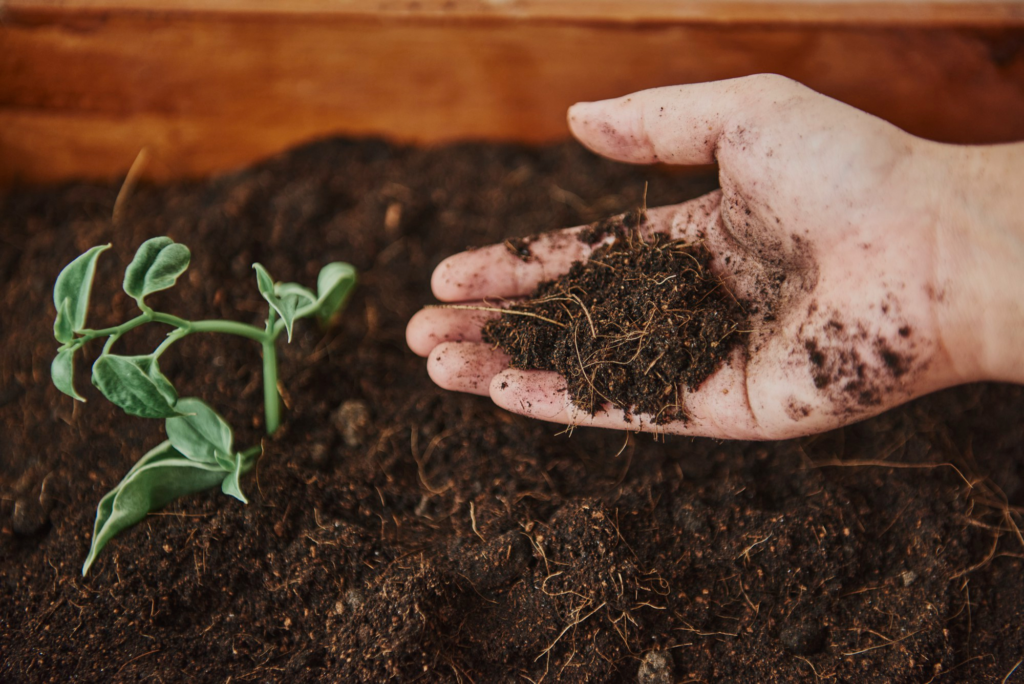
At the heart of the herbal supply chain lies the cultivation and harvesting of medicinal plants and herbs. India’s diverse agro-climatic zones offer a conducive environment for the growth of a wide array of herbs, ranging from Neem and Tulsi to Ashwagandha and turmeric. According to data from the National Medicinal Plants Board (NMPB), India is home to over 7,500 species of medicinal plants, with an estimated annual production of around 9.4 million tons. However, smallholder farmers, who constitute the backbone of herbal cultivation in India, face numerous challenges, including climate change, land degradation, and fluctuating market prices.
Processing and Manufacturing:
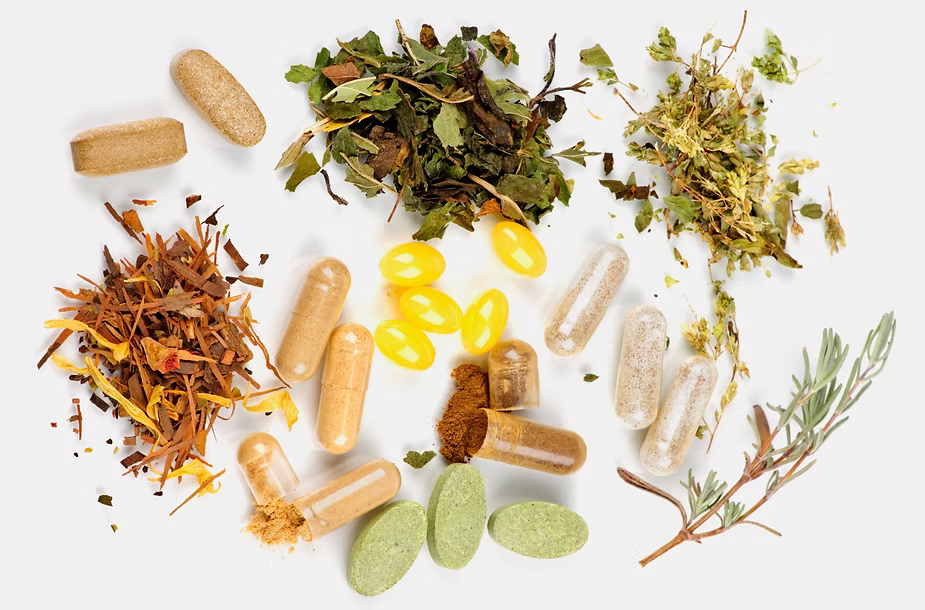
Once harvested, the raw herbal materials undergo various processing stages to transform them into marketable products. This includes cleaning, drying, pulverizing, and extracting active compounds through methods such as steam distillation or solvent extraction. According to a report by the Associated Chambers of Commerce and Industry of India (ASSOCHAM), the herbal and Ayurvedic products market in India was valued at approximately $2.5 billion in 2020 and is projected to reach $9.7 billion by 2025. Large-scale manufacturers and herbal companies invest in modern processing facilities equipped with state-of-the-art technology to ensure quality control and compliance with regulatory standards.
Quality Control and Certification:
Ensuring the quality and safety of herbal products is paramount, given their medicinal and therapeutic applications. Regulatory bodies such as the Ministry of Ayurveda, Yoga & Naturopathy, Unani, Siddha, and Homeopathy (AYUSH) in India set standards for the cultivation, processing, and labeling of herbal products. Additionally, certifications such as Good Agricultural Practices (GAP), Good Manufacturing Practices (GMP), and Organic Certification provide assurance to consumers regarding the authenticity and purity of herbal products. According to the latest report Statista Inc., the export of Indian medicinal plants and value-added products was valued at around $628 million in the year 2023.
Distribution and Marketing:
The distribution of herbal products encompasses a vast network of wholesalers, retailers, and e-commerce platforms catering to domestic and international markets. India’s rich tradition of Ayurveda and natural healing practices has contributed to the global popularity of herbal products, driving exports to countries around the world. Furthermore, the advent of e-commerce has democratized access to herbal products, allowing consumers to purchase directly from manufacturers or online retailers. According to Statista, the revenue in the Indian herbal cosmetics market amounted to approximately $4.2 billion in 2020 and is expected to reach $9.6 billion by 2025.