1. Perfect Climate & Fertile Soil
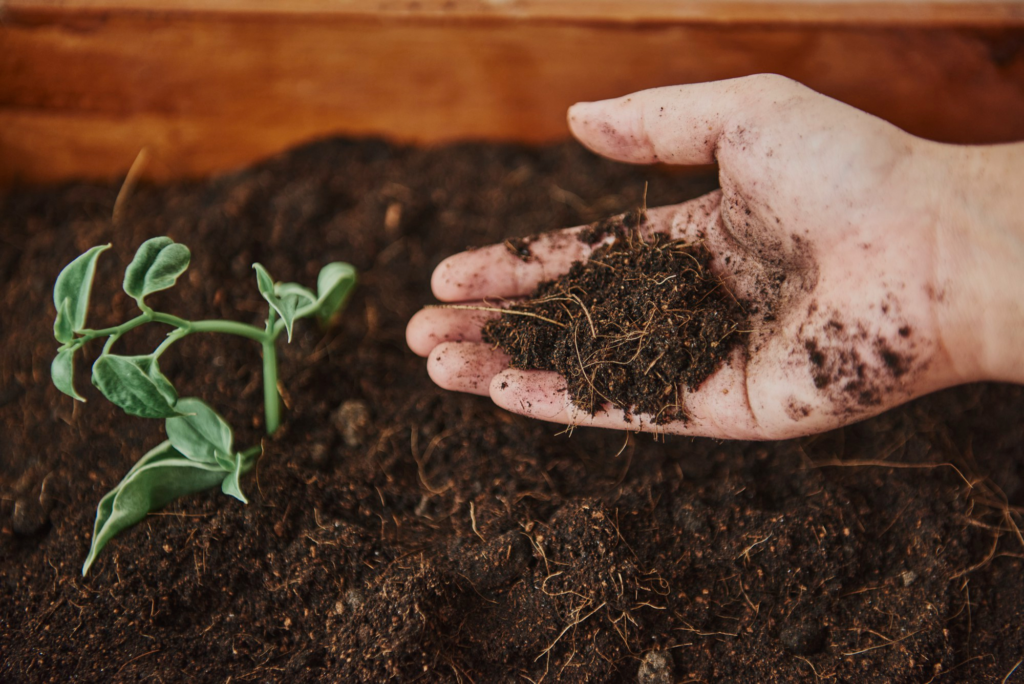
Egypt’s unique geography gives it an undeniable edge in herb and spice production. The combination of:
- Fertile Nile Delta soil
- Hot, dry climate
- Ample sun exposure
…creates ideal growing conditions for a wide range of aromatic plants. These natural factors contribute to higher oil content, stronger flavor, and longer shelf life in herbs and spices — key attributes that global buyers look for.
2. Rich Variety of Products
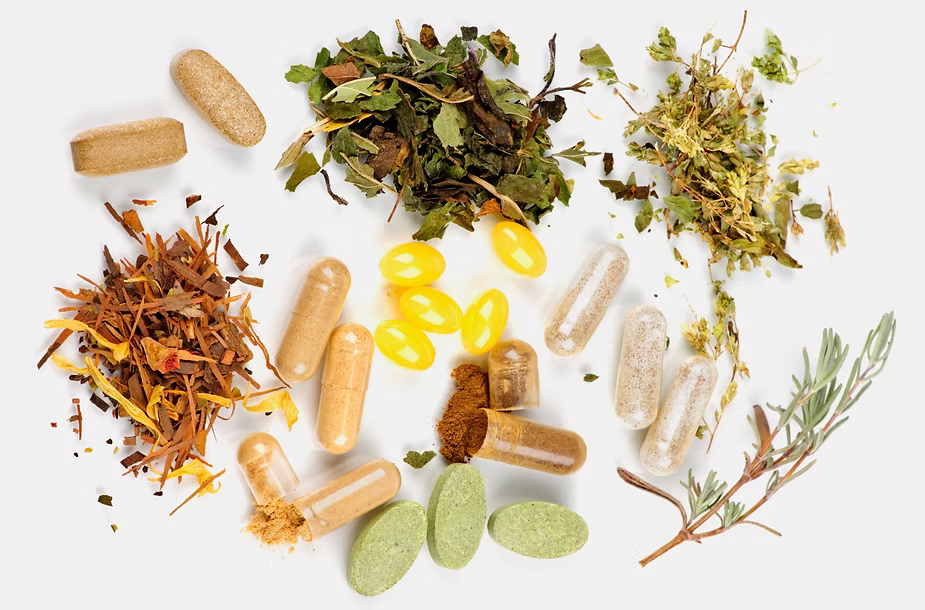
Egypt produces an expansive range of herbs and spices that are widely used in global cuisine, health supplements, teas, cosmetics, and even pharmaceuticals. Among the most popular exports are:
- Chamomile
- Peppermint
- Calendula
- Parsley
- Dill
- Spearmint
- Coriander
- Cumin
- Fennel Seeds
- Fenugreek
3. Global Health Trends Favor Natural Products
Today’s consumer is more health-conscious than ever. The preference for organic, chemical-free, and traceable ingredients has skyrocketed — and Egyptian herbs and spices tick all those boxes. Sourced from dedicated farms and processed with minimal intervention, they cater to:
- Organic product manufacturers
- Herbal tea brands
- Vegan and natural food lines
- Dietary supplement brands
4. Strict Quality Control and Certifications
To compete on the global stage, quality assurance is critical. Leading Egyptian exporters have implemented rigorous standards in sourcing, drying, sorting, and packaging.
Green Land, for example, holds internationally recognized certifications such as:
- ISO certification
- Food Safety System Certification (FSSC)
- FDA registration
- Certificate of VEG Halal Products
These certifications assure international buyers of product safety, cleanliness, and ethical compliance. You can learn more about these standards here.