What influences herbal quality and how is it defined?
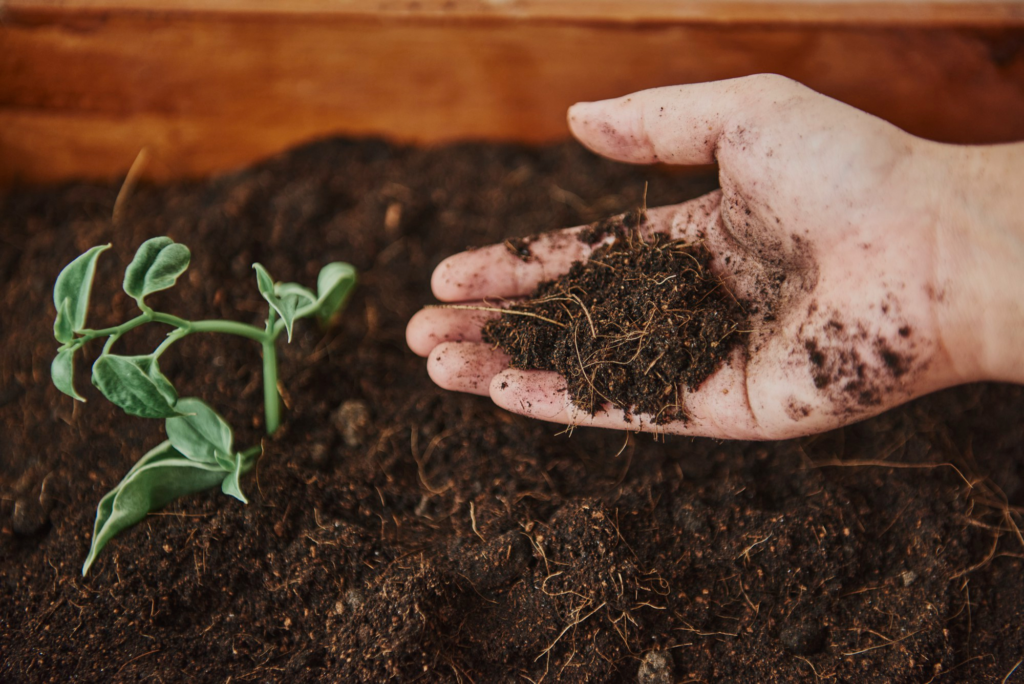
The starting point for herbal quality begins in the field, as the genetic lineage of the plant and the environment it is grown in, all play a key role in determining the final quality of the herb. Conditions such as light, temperature, precipitation, CO2 concentration, soil composition, pH, nutrient content and salinity, water stress, biodiversity and farming practices can all affect the formation of the active constituents in the plant and its susceptibly to various forms of contamination from the environment.
Selecting the right place to grow the herb is an important first step in ensuring the production of good quality herbs. Managing the growing conditions and the subsequent harvesting, drying, storage and processing is important, so that the risks of microbiological, chemical and physical contamination are minimised.
Quality practices are also defined by the regulatory environment; for instance, how the herb is used, as a cosmetic, food or medicine, or the markets the herb is supplied to. These play a part in determining the quality standards that are used and the type of analysis that is selected to control the quality of the herbs.
What is herbal quality control and why is it important?
Quality control is a process that is fundamentally about ensuring that the herbs we use are safe and efficacious. Poor quality herbs produce poor quality medicine and even pose toxicity risks, owing primarily to contamination or adulteration. On a larger scale, the consequences have wider implications on the reputation of herbal medicine and the regulations imposed on the use of herbs in practice. The recent ban on ashwagandha in Denmark following incidences of hepatotoxicity in hand with root product contamination with leaf, exemplifies this. So, sourcing high quality herbs is paramount to protect both patient and practice.
Herbal quality control covers all stages from growing through to production, storage and the final consumption of the herbs. Quality control ideally assures the correct botanical identity of the herb, its purity, the control of contaminants and the required level of active constituents. Standards are set for these criteria which are often codified in the form of a pharmacopeia that defines the tests required and their limits. Meeting these quality criteria defines the herb as pharmacopeial grade.
The standards that are set need to account for the considerable variation found in herbal materials and the type of herbal product (2). Meeting these standards offers consumers assurance that the correct herb is used, that the herb is safe, and that it contains a defined concentration of active constituents, which offers an indication of its potency and efficacy.
The starting point for herbal quality control analysis is to ensure the correct botanical identity of the herb, which includes the species, plant part and the plant maturity when harvested (3). Typical methods used in quality control analysis comprise morphological identification using macro/microscopic techniques, phytochemical analysis using chromatography/spectroscopy/spectrometry and analysis through the use of molecular markers, for example DNA or proteins (4). These approaches are also used for checking for purity, contamination and defined concentrations of active constituents in the herb (such as essential oils).
Analytical methods for herbal quality control
Morphological analysis
Macroscopic examination has long been used for the authentication and quality assessment of herbs by examining their gross morphological features and organoleptic properties (colour, odour and taste). This method is easy to undertake and can identify obvious quality issues quickly such as foreign matter and the presence of other plant species. It does, however, have some drawbacks as it relies heavily on personal experiences and it is not an effective way to distinguish closely related herbs that have very similar morphological features. Factors such as the growing environment or how the herb is processed can greatly influence the macroscopic characteristics (4).
Although on an industrial level, organoleptic assessment is not the most reliable means of testing, on an individual level as a practitioner, developing the skills involved are valuable to draw associations between flavours and constituents, and the herbs with their supplier, origins and efficacy as medicine as observed in practice.
Microscopy has an advantage over macroscopic methods as it can assess at the cellular level. Certain parameters such as the shape and size of trichomes, crystals formed by calcium oxalate, glandular hairs, pollens granules, the stomata guard cells or the cell walls constitution, are often indicative to a given organ and species or genus (3,4,5). Microscopy can also be used to assess herbal powders such as liquorice root and for the identification of microbial contaminants such as fungi.
Often these techniques will use dyes to make identifying the diagnostic features in the herb much easier. There are some limitations in the technique, as discerning between similar species can be challenging, diagnostic features may not be present in heavily processed samples and the analysis requires specialist training to carryout (3).
Phytochemical analysis
Phytochemical methods are widely used in herbal quality control for identification, checking for adulteration and quantifying the active constituents. Modern techniques use fingerprints which provide highly characteristic profiles for the herbs typical approaches include chromatography, spectroscopy and spectrometry.
Chromatography is a separation technique that is commonly used in which different compounds in the herb can be identified through a chemical process. Common techniques include, high performance liquid chromatography (HPLC) used for quantification of the chemical constituents such as curcuminoids in turmeric; gas chromatography (GC) which is mainly used in the analysis of essential oils; high performance thin layer chromatography (HPTLC) is used for identification and detecting contamination, such as adulteration with different plants or plant parts (3).
Some challenges with these chromatographic methods occur when an adulterant shares a similar chemical profile to the herb which is being analysed — this can make identification more complicated. Chemical constituents can vary depending on the stage the plant is in its growth cycle. The level of processing can also make a difference; it can change or degrade the chemical constituents making the analysis more complex (6).